
கெப்ளரின் விதிகளை அறிவோம்!
-----------------------------------------------------------------
நியூட்டன் அறிவியல் மன்றம்
---------------------------------------------------------------
( முந்தைய பதிவில் உள்ள கணக்கும் அதன் விடையும்)
------------------------------------------------------------------------------------------------
சரியான விடையும் விளக்கமும்!
----------------------------------------------------------
சூரியனில் இருந்து பூமி 15 கோடி கி.மீ
தூரத்தில் உள்ளது. இதில் பாதி தூரத்தில்
பூமி இருப்பதாக கற்பனை செய்தால்,
ஓராண்டு எத்தனை நாட்களைக் கொண்டதாக இருக்கும்?
தற்போது ஓராண்டுக்கு 365 நாள் என்று கொள்க.
விளக்கம்: இந்தக் கணக்கை கெப்ளரின் Law of periods
விதியைக் கொண்டு செய்ய வேண்டும்.
**
Law of periods: The square of the period of revolution of any planet is
proportional to the cube of the planet's mean distance from the sun.
Therefore, T^2 is directly proportional to R^3.
**
சூரியனைச் சுற்றுகிற எந்த ஒரு கோளின்
சுழற்சிக்காலத்தின் வர்க்கமானது, சூரியனுக்கும்
அக்கோளுக்கும் உள்ள சராசரி தூரத்தின்
மும்மடிக்கு நேர்விகிதப் பொருத்தத்தில் இருக்கும்.
இதுதான் மேற்கூறிய கெப்ளரின் விதியின் தமிழாக்கம்.
**
இப்போது கணக்கைச் செய்யலாம்.
சூரியன்-பூமி தூரம்= R என்க. (R = 15 கோடி கி.மீ= 1 AU)
காலம் = Time Period= T என்க. (T = 365 நாட்கள்)
சூரியன்-பூமி புதிய தூரம் = a என்க (a = 7.5 கோடி கி.மீ = 0.5 AU)
இதற்கான காலம் = b என்க. (இதைக் கண்டறிய வேண்டும்).
**
கெப்ளரின் விதிப்படி,
b^2 /T^2 = a^3/R^3
b^2/ 365^2 = 0.5^3/1^3
On simplifying we get, b= 129 days.
எனவே, சூரியனுக்கும் பூமிக்கும் இடையிலான தூரம்
பாதியாகக் குறையுமானால், ஒரு ஆண்டு என்பது
129 நாட்களாக இருக்கும்.
*********************************************************
-----------------------------------------------------------------
நியூட்டன் அறிவியல் மன்றம்
---------------------------------------------------------------
( முந்தைய பதிவில் உள்ள கணக்கும் அதன் விடையும்)
------------------------------------------------------------------------------------------------
சரியான விடையும் விளக்கமும்!
----------------------------------------------------------
சூரியனில் இருந்து பூமி 15 கோடி கி.மீ
தூரத்தில் உள்ளது. இதில் பாதி தூரத்தில்
பூமி இருப்பதாக கற்பனை செய்தால்,
ஓராண்டு எத்தனை நாட்களைக் கொண்டதாக இருக்கும்?
தற்போது ஓராண்டுக்கு 365 நாள் என்று கொள்க.
---------------------------
விடை: 129 நாட்கள்.விளக்கம்: இந்தக் கணக்கை கெப்ளரின் Law of periods
விதியைக் கொண்டு செய்ய வேண்டும்.
**
Law of periods: The square of the period of revolution of any planet is
proportional to the cube of the planet's mean distance from the sun.
Therefore, T^2 is directly proportional to R^3.
**
சூரியனைச் சுற்றுகிற எந்த ஒரு கோளின்
சுழற்சிக்காலத்தின் வர்க்கமானது, சூரியனுக்கும்
அக்கோளுக்கும் உள்ள சராசரி தூரத்தின்
மும்மடிக்கு நேர்விகிதப் பொருத்தத்தில் இருக்கும்.
இதுதான் மேற்கூறிய கெப்ளரின் விதியின் தமிழாக்கம்.
**
இப்போது கணக்கைச் செய்யலாம்.
சூரியன்-பூமி தூரம்= R என்க. (R = 15 கோடி கி.மீ= 1 AU)
காலம் = Time Period= T என்க. (T = 365 நாட்கள்)
சூரியன்-பூமி புதிய தூரம் = a என்க (a = 7.5 கோடி கி.மீ = 0.5 AU)
இதற்கான காலம் = b என்க. (இதைக் கண்டறிய வேண்டும்).
**
கெப்ளரின் விதிப்படி,
b^2 /T^2 = a^3/R^3
b^2/ 365^2 = 0.5^3/1^3
On simplifying we get, b= 129 days.
எனவே, சூரியனுக்கும் பூமிக்கும் இடையிலான தூரம்
பாதியாகக் குறையுமானால், ஒரு ஆண்டு என்பது
129 நாட்களாக இருக்கும்.
*********************************************************

 . So I put it into the calculator and it worked, but I have no idea why, because e to any power isnt supposed to be a negative number, and I thought pi was in no way related to e.If you could explain the process, it would save lots of time pondering and plugging e, pi, and i into the calculator in random ways to figure out whats going on.
 even mean?" In other words, what does it mean to raise a number to an imaginary power?
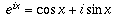 for all x, a fact which is known as de Moivre's formula, and illustrates how closely related the exponential function is to the trigonometric functions. From this formula, it follows immediately that
  .
. means "a multiplied by itself b times." That definition only makes sense when b is a positive integer. After all, what would it mean to multiply something by itself i times??
 to be that number which, if you raise it to the power of 3, would give you
  (i.e., a); in other words,
  .
. happens to be equal to the infinite sum
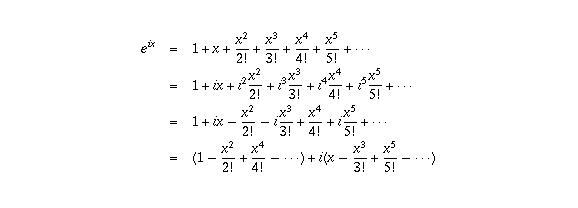
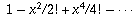 is the infinite sum for cos x, while
 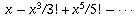 is the infinite sum for sin x (again by the theory of Taylor series). Therefore,
  , f(x) may represent, for example, an exponentially growing population. The rate of change of such a population (the number of births per day, for example) is directly proportional to the current size of the population; that is, f'(x) is a constant times f(x). When
  , then
  .
.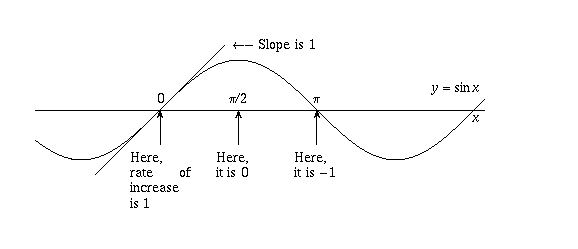
 , the rate of increase drops off and eventually sin x stops increasing altogether and starts decreasing. In other words, f'(x) drops to zero when
  , and becomes -1 by the time x reaches pi (see the picture).
 , rises back to 0 when
  , and so on. This is precisely what the cosine function does, so it should be no surprise that f'(x) = cos x. Similar reasoning shows why it is reasonable that, when f(x)=cos x, f'(x)=-sin x. The exact proofs of these facts you will see in a calculus class.
 be? If we write it in terms of real and imaginary parts g(x) + i h(x), what should the functions g(x) and h(x) be?
 should still equal
  . Therefore, if
  , we should have
 needs to equal 1, uniquely determine the functions g and h.